Nutrition Clinic
About this department
Proper nutrition during a hospital stay shortens recovery, prevents complications and builds immune resilience, so nutrition care runs alongside medical treatment in the wards and in our outpatient clinics.
Inpatient clinical nutrition
- Nutritional assessment and care planning — universal screening of patients on admission, to identify, prevent and treat malnutrition
- Critical care and specialised nutrition — precise enteral (tube feeding) and nutrition regimens for patients in the medical and surgical wards
- Therapeutic hospital menus — meals produced with our hospitality department and customised to specific therapeutic needs, such as low-sodium, texture-modified and diabetic diets
- Pre- and post-operative nutritional optimisation — building nutrient reserves before major surgery, and managing diet through post-surgical recovery
Outpatient nutrition and dietetic clinics
- Metabolic and lifestyle diseases — diet plans to reverse, manage or stall the progression of type 2 diabetes, hypertension and similar conditions
- Gastrointestinal and food allergy care — practical dietary tracking for conditions such as irritable bowel syndrome (IBS), peptic ulcers and food intolerances
- Sustainable weight management — scientific, practical programmes for healthy weight loss or weight gain, tailored to the individual
Maternal, infant and child nutrition
- Prenatal and gestational support — nutritional tracking for expectant mothers, covering acceptable gestational weight gain and the prevention and management of nutritional deficiencies, gestational diabetes and eclampsia
- Infant and young child feeding (IYCF) — one-to-one support for exclusive breastfeeding through the first six months, management of breastfeeding difficulties, and complementary feeding from 6 to 59 months for growth and development
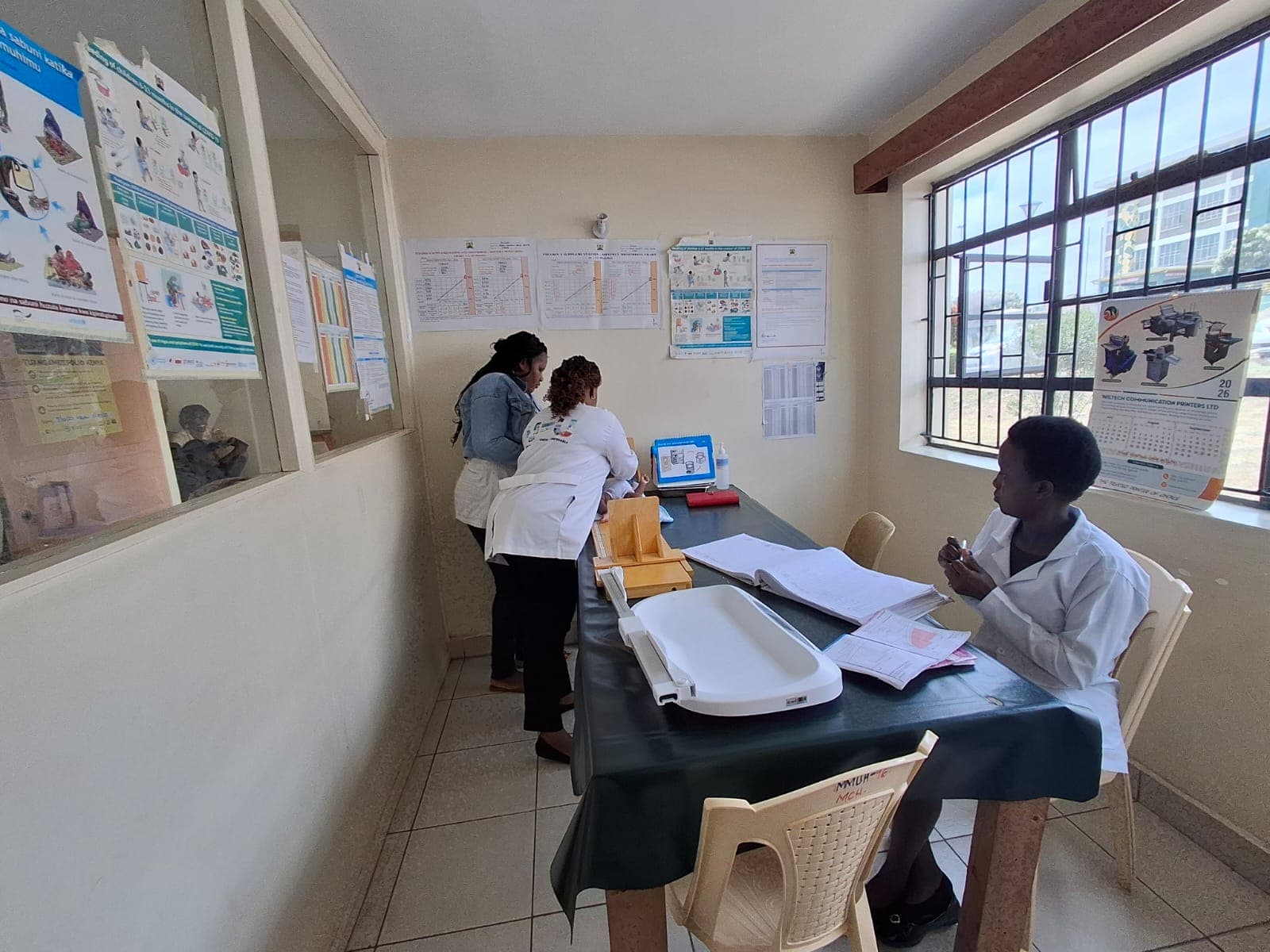
- Growth monitoring and promotion — including vitamin A supplementation and deworming (anthelmintics)
- Malnutrition clinic (OTC) — management of acute malnutrition and rehabilitation through personalised nutrition counselling, therapeutic feeds and approaches such as Positive Deviance Hearth
One-to-one counselling and long-term monitoring are available to walk-in patients and to medical referrals.